From Broken to Becoming: Dorey Scott's Journey Through Trauma and Transformation
When life changes overnight, how do we rebuild from the pieces? Dorey Scott's story reminds us that healing isn't about returning to who we were, it's about becoming who we're meant to be.
The Woman Who Held Everything Together
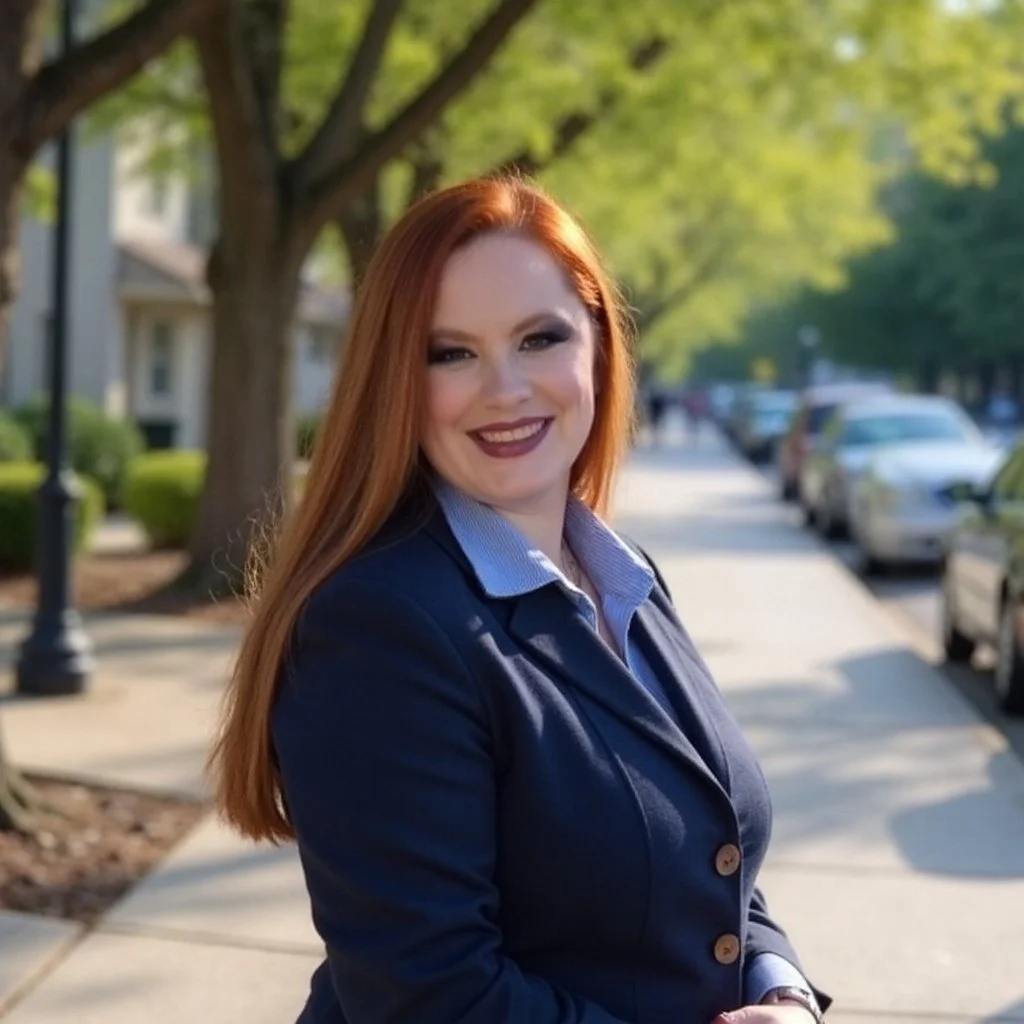
Dorey Scott was the kind of person everyone could depend on. As a high-functioning litigation paralegal, she never missed a deadline, remembered every detail, and carried the weight of both her career and family with unwavering pride. She was a caregiver, a multitasker, and the pillar of strength that others leaned on.
Her identity was built on competence—until the day everything changed.
When the Foundation Crumbles
"I first realized I was struggling after a traumatic brain injury that changed my life overnight," Dorey recalls. The accident didn't just affect her physically; it shattered the very core of who she believed herself to be.
Suddenly, she began forgetting names she'd known for years. She'd lose her train of thought mid-sentence. Bright lights made her nauseous, loud sounds overwhelmed her, and exhaustion hit before she even got dressed in the morning. The cruelest part? She looked "fine" to the outside world, even while falling apart on the inside.
But life wasn't finished testing her resilience. Not long after her brain injury, her husband Derek was diagnosed with Stage 3 kidney cancer. The woman who had always been the emotional caregiver was now navigating her own cognitive trauma while supporting her husband through his battle for survival.
"I felt like I was supposed to stay strong, but mentally and emotionally, I was unraveling," Dorey shares. "It was grief, cognitive loss, and caregiver trauma all crashing into me at once—and I no longer recognized the woman in the mirror."
The Invisible Weight of Loss
The hardest part wasn't the physical symptoms—it was the identity crisis that followed. Dorey had built her entire sense of self on being the one who held everything together. When she couldn't remember court dates or client names, when she forgot whether she'd taken her medication or why she'd walked into a room, the foundation of her self-worth began to crumble.
"I lost my job—not formally, but functionally. I couldn't keep up, and I couldn't fake it anymore," she explains. The woman who had once managed complex legal cases now struggled with basic daily tasks. She couldn't trust her own mind, the very tool that had defined her professional success.
At home, the challenges were equally devastating. She was no longer the caregiver who made sure everything ran smoothly. Her husband was fighting cancer, and she could barely manage a load of laundry or remember the schedule for chemo appointments.
"There's a deep, invisible grief that comes with cognitive loss," Dorey reflects. "You're mourning a version of yourself that no one else realizes is gone."
The Turning Point: From Powerhouse to Powerless
At first, Dorey did what many high-functioning women do—she tried to power through. She told herself it was just stress, just fatigue, just a rough patch. But "just" became her entire life, and eventually, she had to admit that she couldn't do it alone.
The journey to healing required multiple doctors—neurologists, specialists, and a cognitive therapist who helped her understand the true extent of her brain injury. It wasn't just mental fog; it was trauma that required real rehabilitation, not willpower.
"I had to relearn how to function with limitations I'd never had before—and that was humbling in ways I can't even explain," she says.
Therapy became essential, not just for the injury but for the emotional fallout. There was grief. Rage. Shame. She began to unpack decades of pressure she'd placed on herself to be the "strong one," realizing how unsustainable that identity had been.
Finding Voice Through Vulnerability
In the depths of her struggle, Dorey found an unexpected lifeline: writing. What started as obsessive journaling—some days just scribbles, other days pouring her heart onto the page—eventually became something more. It was her attempt to create a lifeline, first for herself, then for others who might be silently breaking under the weight of their own invisible battles.
This therapeutic writing eventually evolved into Voguegenics, a platform that became both her creative outlet and her way of reclaiming control. "Starting Voguegenics was never about being a polished coach or curated influencer," she explains. "It was my therapy. My creative lifeline. A way to reclaim control and pour my pain into purpose."
Redefining Self-Care as Survival
Initially, Dorey hated the word self-care. "It sounded like a joke—like a face mask was going to fix the fact that I couldn't remember my own address or that I was folding laundry in tears while my husband battled cancer. It felt patronizing."
But over time, she realized she had misunderstood it completely. Self-care wasn't luxury—it was survival. It wasn't bubble baths; it was boundaries. It was drinking water even when she didn't want to, saying no without apology, and taking breaks before she crashed.
The major turning point came when she realized she was treating her to-do list with more reverence than her actual body. That day, she put the list down, sat on her front porch with a journal and a cup of tea, and wrote for herself—not for productivity, just to hear her own thoughts again.
"That was the first time I felt like I was coming home to myself," she remembers.
Tools for Healing: Permission, Rituals, and Connection
Through her journey, Dorey developed practical strategies that became her lifeline:
Permission: "I give myself permission to not be 'on' all the time. To cancel plans without guilt. To write things down because my brain might forget. To not be the version of me that everyone expects."
Journaling: "When my thoughts felt too tangled to speak out loud, the page became a place I could sort them safely. It's not always poetic—sometimes it's just bullet points of what hurt that day—but it's honest."
Mini Rituals: She created a "soft reset" ritual—turning off overhead lights, lighting a candle, and sipping something warm while doing absolutely nothing productive for 10 minutes. No phone. No noise. Just letting her nervous system know it's safe.
Laughter and Community: "Dark humor is a survival skill," she says. She and Derek found absurdity in hospital visits, chemo side effects, and memory mishaps. She also leaned on the community—the women who don't flinch when she says, "I'm not okay today."
A Message of Hope
For anyone facing similar struggles, Dorey's message is clear and compassionate: "You are not lazy, broken, or failing. You are navigating something hard—and doing so with more strength than you probably realize."
She emphasizes that healing doesn't mean going back to the old you. "It means making peace with where you are, and gently rebuilding from that place." She encourages starting small, resting when needed, and asking for support before you think you "deserve" it.
"You're still you—even if you move slower, forget more, or cry in the grocery store. You're not less. You're becoming."
From Crisis to Purpose
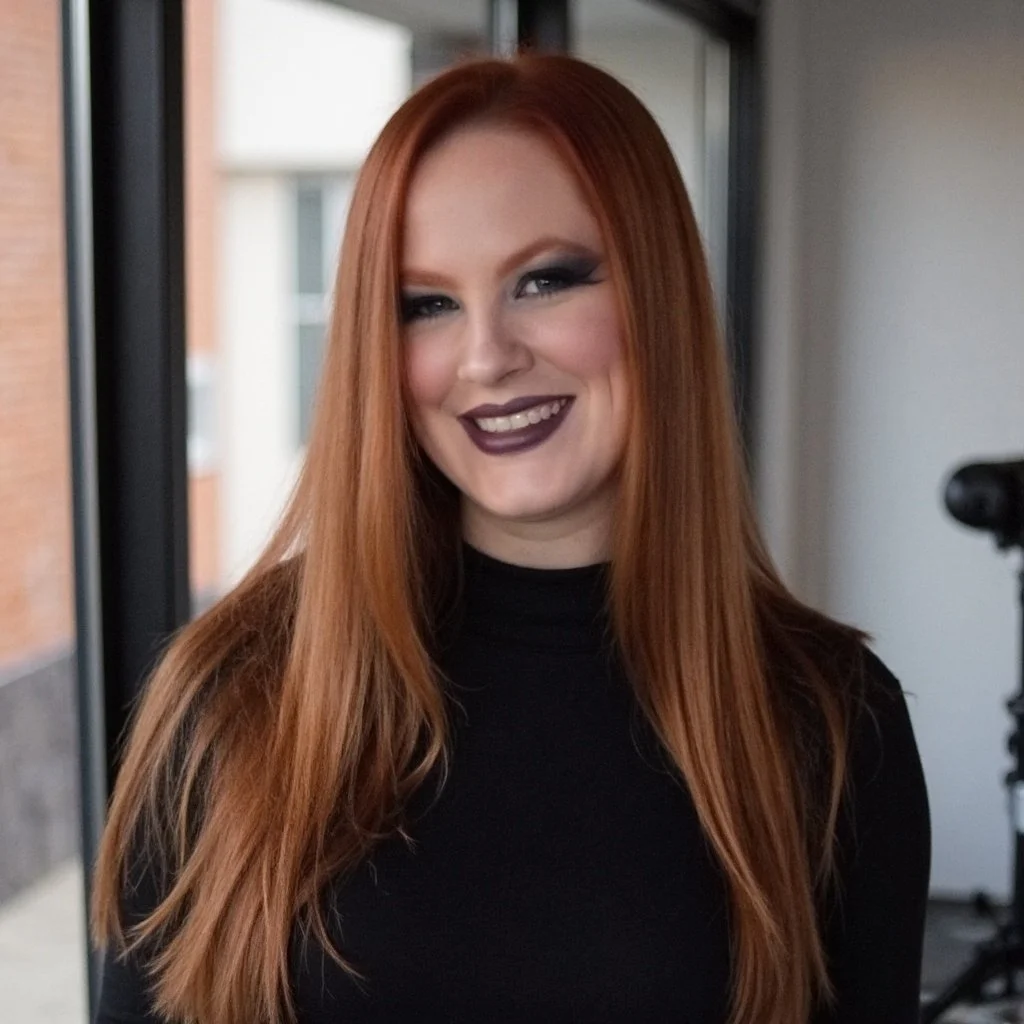
Today, Dorey's mental health journey and her business are forever linked. Voguegenics has become a living record of resilience—not just hers, but every woman who's ever whispered, "I can't keep doing this," and then got up and did it anyway.
Her story isn't just about surviving trauma; it's about transforming it into purpose. Through her writing and platform, she continues to reach women who see themselves in her words, who feel less alone in their struggles, who find hope in her honesty.
"This story might have started with me," she reflects, "but it's never been just mine."
A Final Message
To anyone struggling with mental health challenges, Dorey offers this reminder: "You are not alone—even when it feels like the world has gone quiet around you. Mental health struggles can make you question everything: your worth, your strength, your future. But please know this—struggling doesn't mean you're failing. It means you're human."
Her journey from a high-functioning professional to someone rebuilding her identity after trauma reminds us that healing isn't linear, strength isn't about doing it all alone, and sometimes our greatest challenges become our most powerful purposes.
"Hold on," she says. "Light finds its way in."