
Stories from the Heart
Our Stories from the Heart bring personal connections with mental health to light by sharing individual stories and the impact of mental illness.
Sharing stories helps break down the stigma, drive compassion and let all of us know that we are not alone. If you or someone you know needs help, text LIFE to 741741. Trained counselors are available 24/7 to assist. If you are looking for resources, check out our page of Northeast Florida and national resources, including telehealth options, available to help.
Do you have a story? Please share your story with us. By speaking out, you are breaking the stigma of mental illness and helping to save lives.
April 1st, 2025. An email. Five years as a Senior Graphic Designer at the CDC, and just like that, it was over. Alyssa Ostroff thought it was an April Fools' joke. She stared at it waiting for the punchline. There wasn't one. What followed wasn't just job loss grief. It was everything. The career, yes, but also the identity she had wrapped around it. The stability. The plan.
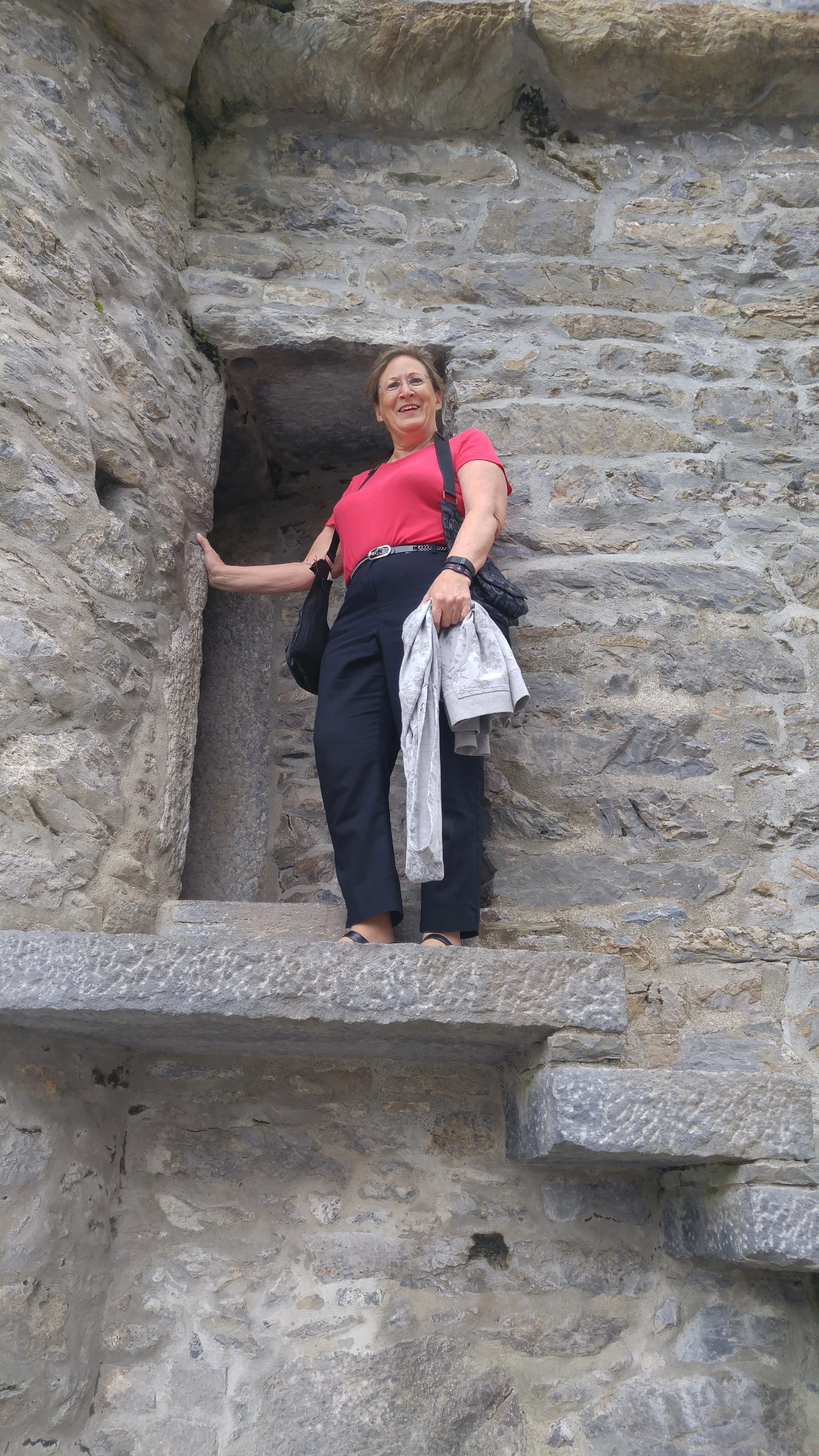
Some struggles begin in adulthood. Martha Burich's began at age three. For as long as she can remember, Martha lived with extreme social anxiety and a crushing fear of separation from her mother. What might have looked like shyness to outsiders was something far heavier on the inside. A fear of making mistakes. A fear of trying new things. The certainty that if she attempted something and fell short, it would confirm what the anxiety had always whispered: that she wasn't good enough.
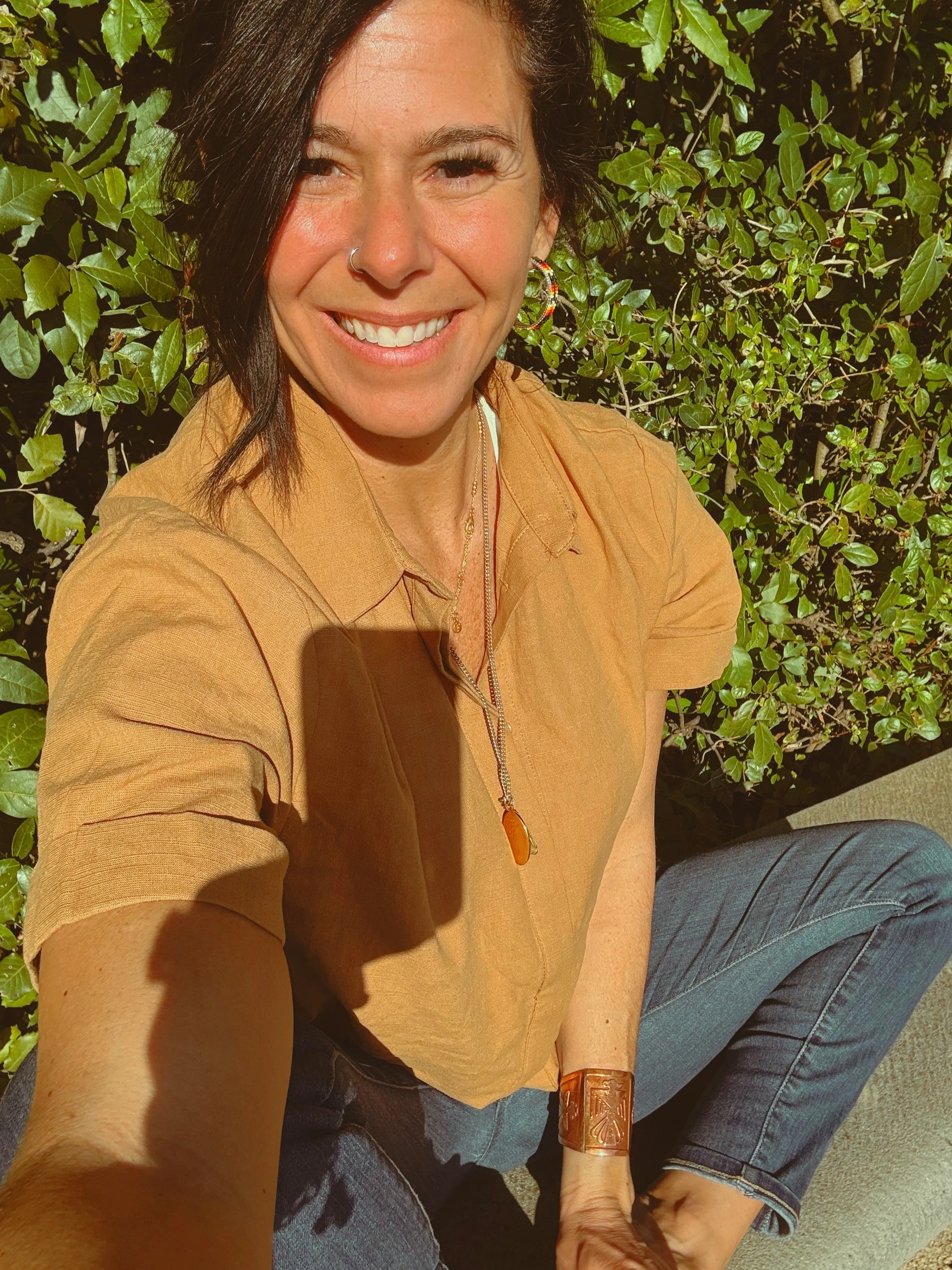
For Kristina Ambrosia, life has always been lived at full volume. She's someone attracted to excess, a ruminator and a reactor. "I've never been good at moderating, not my activities, not my feelings, and not my drinking," Kristina shares. "I think the draw for me in drinking was the way it allowed me to dissociate from all the overthinking and overfeeling." One Memorial Day pool party became a turning point she couldn't ignore, the start of a six-year journey to a more lucid life.
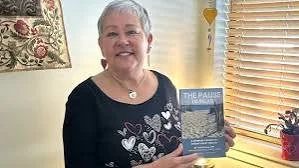
For Linda Penkala, a longtime holistic educator, licensed massage therapist, and author, the wake-up call came through her own body. Despite years of helping others find balance, she found herself in the hospital with atrial fibrillation (A Fib), her heart literally calling out for attention. "I didn't know the apparent connection between emotional stress and my heart until I ended up in the hospital," Linda recalls. That moment launched a life-changing journey of research, reflection, and rediscovery.
For Naseem Rochette, life changed in an instant. She was struck and run over by a car three times, an unthinkable trauma that left her with a traumatic brain injury (TBI) and post-traumatic stress disorder (PTSD). In the months that followed, she found herself navigating not only physical recovery but also the invisible challenges that came with her new reality. Before the accident, Naseem thrived as a sales leader in the fast-paced world of tech. Afterward, things felt different. She couldn't juggle multiple tasks or handle chaos the way she used to, and she worried she'd never again be as capable or successful at work. But over time, something unexpected happened: she discovered a new rhythm, and with it, a new kind of success. This is her story of learning that breaking does not mean being broken.
Whitney Duenas Richardson grew up in a household where emotional unpredictability was the norm. Her mother battled depression and bipolar disorder, creating an environment that taught Whitney to become extremely independent at a young age, not by choice, but by necessity. She learned to rely solely on herself, to be strong, and to never add to anyone else's emotional burden. For years, Whitney didn't recognize these patterns as struggles. In fact, she viewed her hyper-independence as a strength, a source of pride in her ability to handle anything life threw her way. It wasn't until adulthood that the cracks in her armor began to show, when she found herself having difficulty forming close relationships, asking for help, or allowing herself to be vulnerable. This is her story of learning that asking for help is a strength, and that true healing means thriving in authentic connection with ourselves and others.
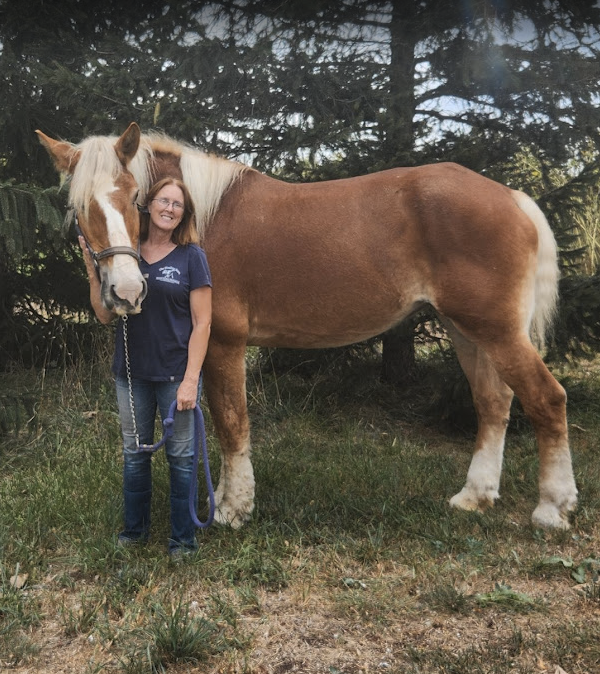
For Kelly, the struggle with mental health began early, with depression in high school and undiagnosed bipolar tendencies for years. Life often felt like a rollercoaster, with impulsive decisions, financial troubles, unstable relationships, and a cycle of highs and lows that made stability seem impossible. After multiple counselors, seven suicide attempts, and two weeks in a psychiatric ward, Kelly was finally paired with an outpatient counselor who specialized in supporting survivors of sexual abuse. This connection led to a formal diagnosis of Bipolar II and a carefully managed medication plan that gave her the stability she needed to regain control. Today, Kelly has found healing through rescuing animals, writing five books, and volunteering at a horse rescue, proof that with the right support, recovery is possible.
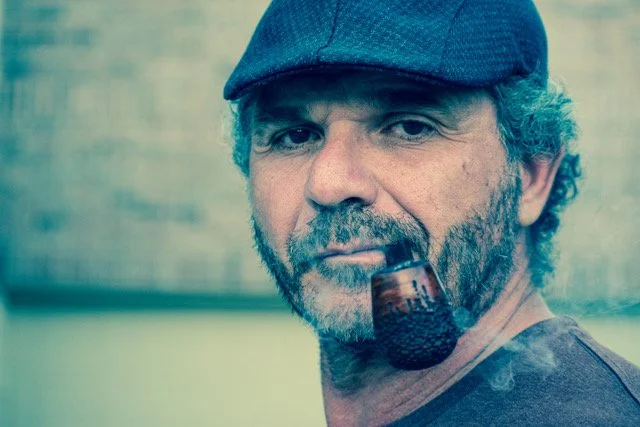
For Dr. John A. King, a Warumungu man from Australia, the struggle with mental health wasn't just a chapter in his life. It was survival itself. He endured over a decade of sexual abuse as a child, but for years, he didn't have the language to name what it had done to him. For years he called it "being intense," "being depressed," "being a general fuckup." But in reality, he was battling chronic Complex PTSD. Sleep was war. Relationships were war. Life was war. He struggled with rage, hypervigilance, paranoia, and emotional shutdowns. He loved people fiercely but couldn't be around them. He wanted peace, but didn't know how to stop fighting. This is his story of healing, resilience, and rising from the ashes to help others do the same.


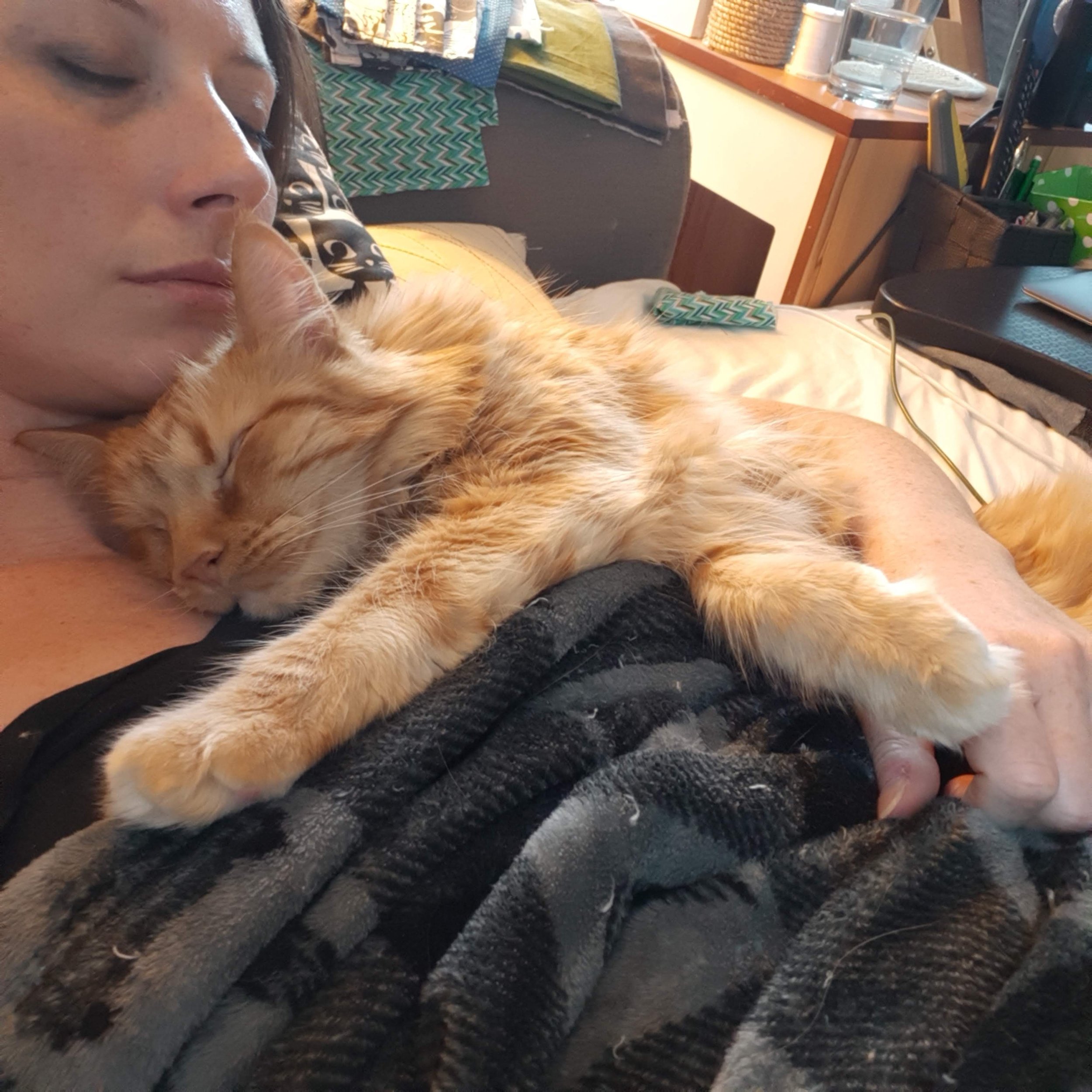
For years, Sarah W. from Toronto had managed her depression and anxiety with care and consistency. But nothing could have prepared her for the heartbreak that began in 2020, a season of loss that would test every ounce of her strength. After losing three beloved cats in two years, Sarah found herself in the depths of depression, exhausted and hopeless. Through persistence, the right medical care, and the unconditional love of her cats, she discovered a path back to hope and now helps others navigate their own grief and mental health struggles.
Some wounds are invisible, carried in silence from childhood into adulthood. Hannah Darby lost a parent as a child, but the most devastating part wasn't the loss itself—it was the silence that surrounded it. Her unprocessed grief transformed into anxiety, chronic pain, and self-doubt. Discover how she transformed her deepest pain into her greatest purpose, and why healing doesn't mean "getting over it"—it means learning to live alongside loss with grace, love, and self-compassion.
Dorey Scott was the kind of person everyone could depend on. As a high-functioning litigation paralegal, she never missed a deadline, remembered every detail, and carried the weight of both her career and family with unwavering pride. Her identity was built on competence—until a traumatic brain injury changed everything overnight, forcing her to rebuild from the pieces and discover that healing isn't about returning to who we were.
For as long as she can remember, Debbie DeMarco Bennett has felt different from everyone around her. Living with intense emotional sensitivity, she experienced overwhelming emotions, a deep fear of abandonment, and an inner chaos that seemed impossible to explain or control. What she didn't know was that these experiences had a name—and more importantly, that healing was possible.
Mary Beth O'Connor's story begins in the shadow of trauma. As a child, she endured abuse and instability that left deep emotional scars. By sixteen, she turned to methamphetamine as a way to numb the pain. What began as a coping mechanism quickly spiraled into dependence, and by her early thirties, addiction had consumed nearly every part of her life. But at her lowest point, she knew something had to change.

About eight years ago, Carissa Daniels found herself in a dark and uncertain place. She had just left a painful relationship that left her questioning her worth, cut off from friends, and struggling to get out of bed. Days blurred together in sadness and self-doubt until one morning, something shifted. That reason to keep going, as it turned out, came with four paws.
By 2016, years of anxiety, depression, and trying to maintain a perfect facade had taken their toll. At 38, Achea Redd was clinically depressed, struggling with the same anxieties that had plagued her since childhood but now compounded by adult responsibilities as a mother of two. The breaking point came on an ordinary morning when she woke up feeling strange—her legs and arms shaking, trembling internally at first, invisible to others. But it wasn't her imagination, and it didn't go away. The shaking continued for weeks, joined by random muscle twitches and severe insomnia. Then came the morning that shattered her ability to pretend everything was fine, when her eyes snapped open to complete terror as she hyperventilated, her body twitching uncontrollably. "Should I call an ambulance? Am I having a heart attack?" The questions raced through her mind as she stumbled out of bed, convinced she was dying. This was the moment that would change everything—the moment she could no longer hide behind the perfect facade and would finally seek the help that would transform her life.
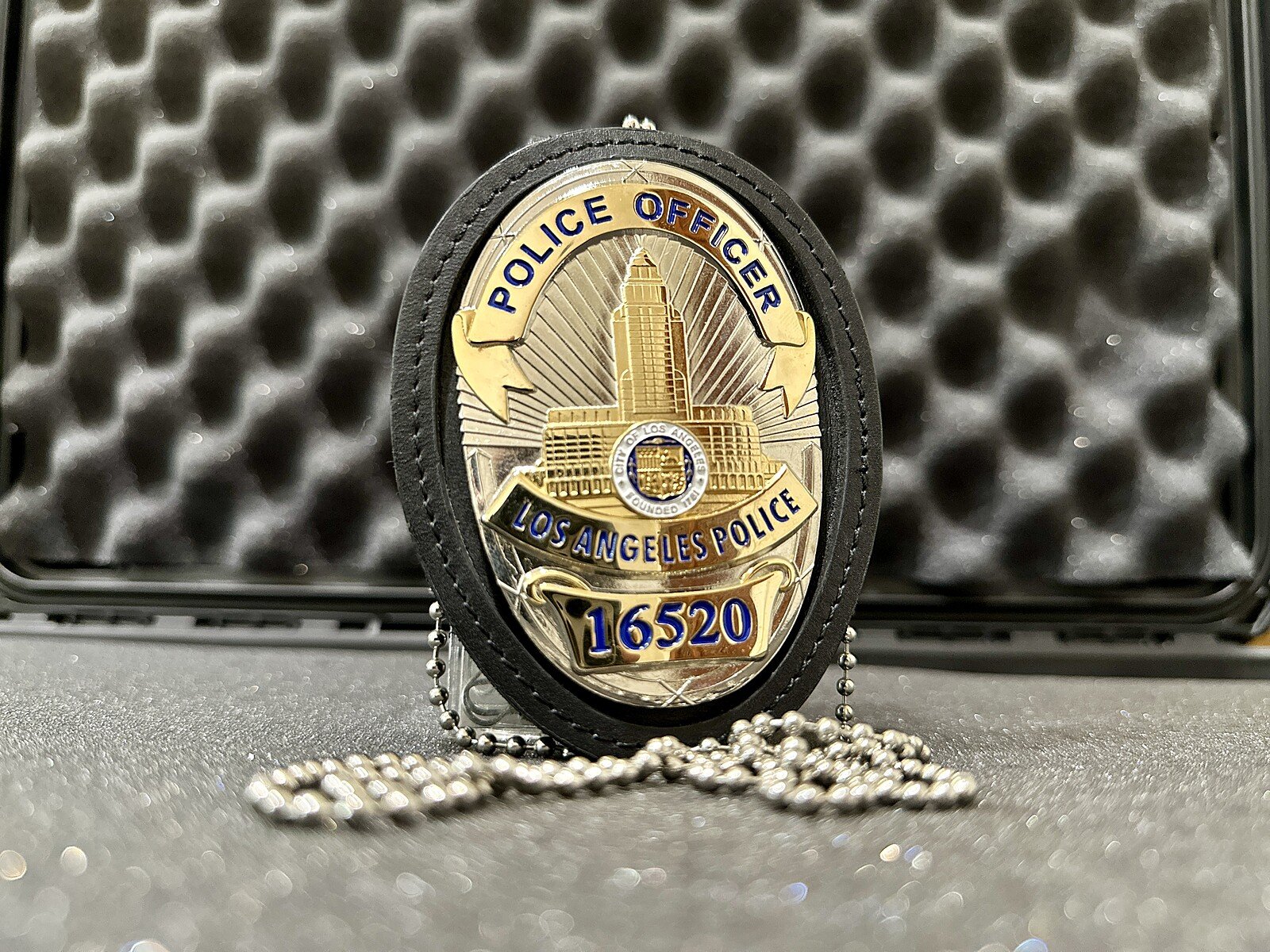
Law enforcement officers face unique challenges that can profoundly impact their mental health, often carrying trauma long after they leave the force. This burden doesn't stop with the officer—it extends to their families, creating ripple effects that can strain the most important relationships in their lives. When combined with devastating personal loss, the path to healing can seem impossible. Doug Lawrence's journey demonstrates that recovery is possible even in the darkest moments, transforming from someone struggling alone with PTSD and grief into a grief mentor who helps others navigate similar challenges.

For photographer, writer, and standup comic Louis Katz, his struggles with his mental health have spanned over 40 years after an initial diagnosis of IBS. Read his story and how he uses humor to make others feel better.
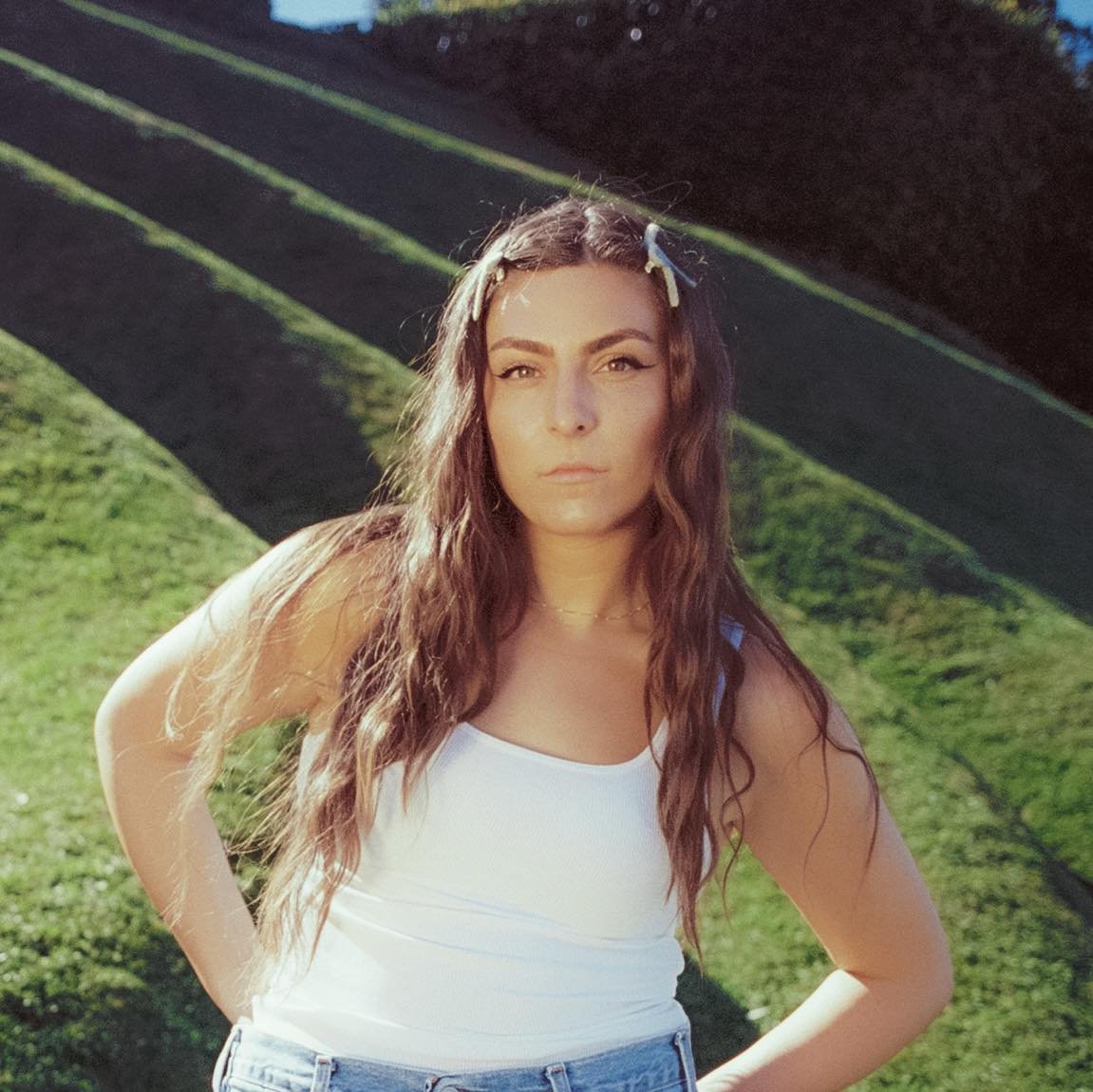
Singer/songwriter Emilee Moore is passionate about using her music to help others feel less alone in their heartbreak. Read her story and how her debut single “Hanging On” is impacting others.
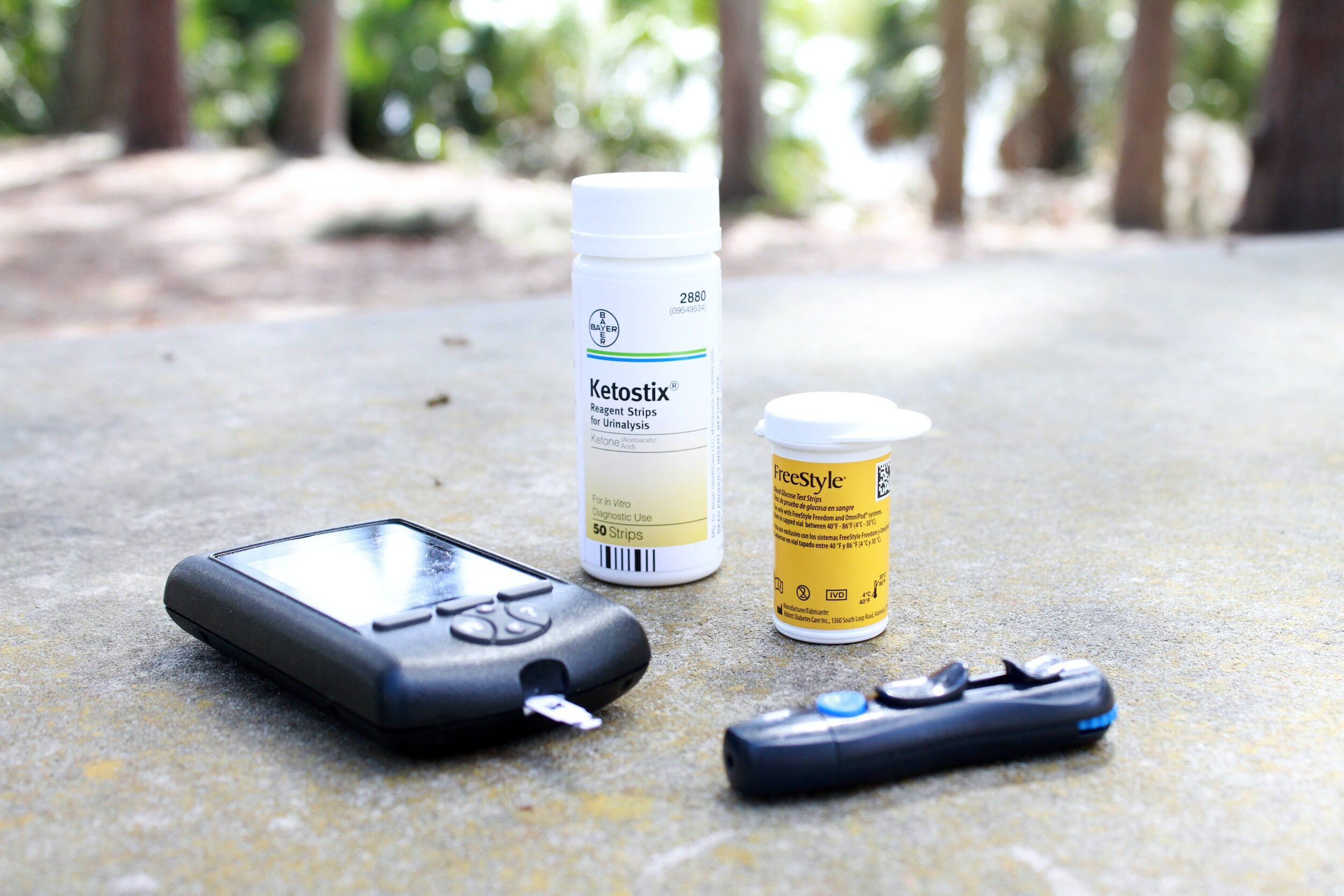

What can we do to keep our spirits up while we regain our health?
We talked to three Jacksonville area residents who have been on both sides of the injury and mental health equation. We asked for their best practices to help kick those discouraging thoughts to the curb, helping you to focus on your next goal - getting healthy.

Clio Chazen has struggled with an eating disorder since she was a child. After leaving the ballet industry, Clio talks about seeking help and improving her life in this Story From the Heart.

Terrance Freeman is a Jacksonville City Council Member. He discusses how his roles as a council member and baseball coach allow him to bridge worlds and help others in this Story From the Heart.

Jonathan Davis has struggled with mental illness all his life. After realizing that it wasn’t shameful to ask for help, Jonathan talks about his decision to help others with mental health in this Story From the Heart.