
Finding Healing Through Community: Debbie DeMarco Bennett's Journey from Emotional Chaos to Empowerment
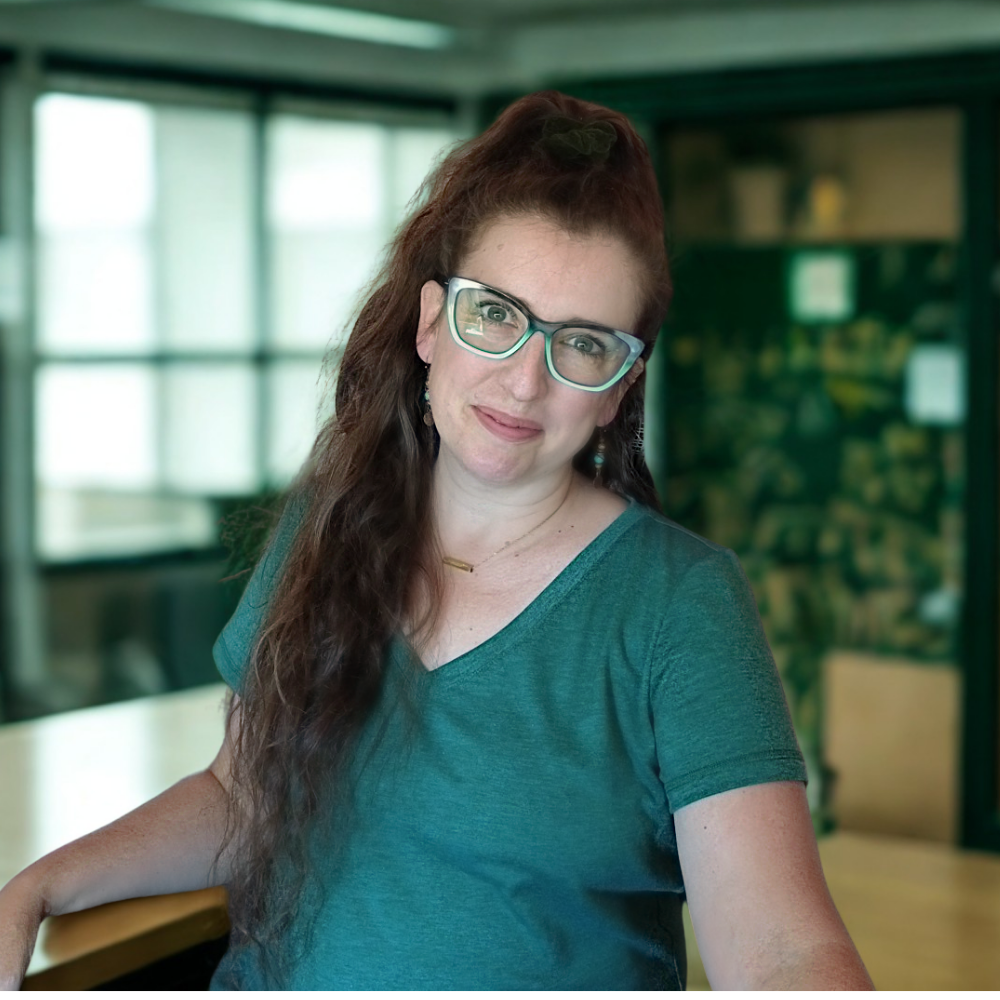
For as long as she can remember, Debbie DeMarco Bennett has felt different from everyone around her. Living with intense emotional sensitivity, she experienced overwhelming emotions, a deep fear of abandonment, and an inner chaos that seemed impossible to explain or control. Her relationships were often turbulent, swinging between feeling too much and feeling completely shut down. What she didn't know was that these experiences had a name—and more importantly, that healing was possible.
The Search for Understanding
Debbie's journey toward understanding began in adulthood, after enduring a long string of painful relational patterns and emotional crises. It wasn't until she received a diagnosis of Borderline Personality Disorder (BPD) that the pieces began to fall into place. While the label came with its own challenges and stigma, it also offered something invaluable: clarity.
"For the first time, I felt like there was a name for what I was experiencing, and that I wasn't alone," Debbie reflects. This moment marked the beginning of her healing journey, but it also revealed an important truth—simply having a diagnosis wasn't going to fix everything. She needed skills, support, and a completely new way of relating to herself and others.
The Daily Reality of Emotional Dysregulation
Living with BPD and past trauma created challenges in nearly every area of Debbie's life. The emotional dysregulation affected her relationships, her sense of self, and her ability to trust both others and herself. She often felt misunderstood, rejected, or "too much" for people, making it incredibly difficult to maintain connections with others.
The internal experience was equally challenging. Debbie struggled with chronic feelings of shame, self-doubt, and emptiness. When emotions became overwhelming, she sometimes reacted in ways she later regretted, which only deepened the shame cycle. Her identity felt unstable, constantly shifting depending on who she was around as she tried desperately to fit in and avoid rejection and abandonment at all costs.
"I'd either over-explain and overshare or completely shut down and isolate," she explains. "On the outside, I had periods when I was high-functioning, but on the inside, I often felt like I was barely holding it together."
During her lowest points, Debbie also dealt with suicidal thoughts. Traditional talk therapy sometimes made things worse when she felt misunderstood or pathologized instead of supported. It was, as she describes it, "a very lonely place to be."
Discovering a New Path: DBT as a Turning Point
After receiving her BPD diagnosis, Debbie knew she needed to approach her healing differently. Traditional talk therapy had left her feeling more raw and exposed than supported. Rehashing trauma without the skills to cope with the emotional backlash took a real toll on her nervous system, leaving her feeling sick both emotionally and physically.
When Debbie mentioned her concerns to her psychiatrist, she was recommended Dialectical Behavior Therapy (DBT). This recommendation became a turning point in her entire journey.
Working with a therapist trained in DBT and attending an incredible DBT skills group made a huge difference. The structured approach gave her something she had been missing: community, hope, and practical tools rather than just insight. The group environment helped her realize that learning emotional regulation skills in a steady, supportive environment was a vital part of her healing process.
"I needed something that felt both validating and practical, something that would give me tools, not just insight," Debbie explains.
Building a Community of Healing
The impact of DBT was so profound that Debbie eventually co-created her own program to make this experience available to others, even in the most rural places in the US and around the world. DBT Path, a psychoeducational DBT skills course designed for emotionally sensitive people, was born from her desire to provide the kind of community, guidance, and room to grow that had been so transformative in her own life.
The program creates a space without pressure or judgment, allowing participants to internalize the skills more deeply. For Debbie, teaching these skills to others became part of her own healing process. DBT Path is now in its 12th year, a testament to the power of turning personal healing into community support.
Beyond formal DBT training, Debbie also explored mindfulness, spiritual practices, somatic work, and nervous system regulation. She began focusing on what helped her feel grounded and connected instead of just "fixed."
The Revolutionary Power of Rest
One of the most significant aspects of Debbie's recovery has been learning about self-care—not just as a concept, but as a daily, intentional practice of treating herself with gentleness, patience, and compassion. Learning to slow down, listen to her body, and rest without guilt has been life-changing.
"Rest, to me, is recovery. And it's a deep form of self-respect I had to learn over time, especially after years of believing I had to hustle, explain, or 'earn' rest through productivity," she shares.
This philosophy led to the creation of "Radical Resting" sessions with her students—virtual spaces where participants practice intentional rest through soft lighting, gentle movement, and simply lying down with blankets and pillows while listening to soothing music. While it might sound simple, the impact is powerful, with many students sharing that they had never thought to give themselves that kind of pause.
Daily Tools for Emotional Regulation
Debbie regularly uses various DBT skills that have become the foundation of how she cares for herself and navigates difficult moments. Three skills have been particularly transformative:
Radical Acceptance has been one of the most life-changing skills for her. It doesn't mean liking painful situations, but it helps her stop fighting reality so she can respond with more clarity and less suffering. Understanding that she could accept something without approving of it was a game-changer.
Self-Soothing provides sensory comfort as a way to calm her nervous system. Soft blankets, calming music, herbal tea, and essential oils create a sense of safety and peace when she's dysregulated.
Opposite Action is her go-to when emotions are pushing her toward behaviors that would make things worse. While not always easy, doing the opposite of what the emotion urges—like reaching out when she wants to isolate, or gently moving her body when she wants to shut down—has helped her build emotional trust in herself over time.
From Broken to Empowered: A Mission of Hope
Debbie's personal mental health story is deeply woven into the work she does today. For years, she felt broken, misunderstood, and ashamed of how intensely she experienced the world. She spent considerable time trying to "fix" herself, thinking that if she could just be less sensitive or more stable, she'd finally be okay.
What she really needed was understanding, support, and skills to help her manage her emotions—not erase them. Learning DBT skills gave her a path forward, allowing her to respond to life with more awareness and less fear. The powerful realization that her sensitivity wasn't the problem, but rather something she needed tools and support to work with, changed everything.
This realization inspired her to co-create DBT Path, combining compassion, structure, and community in a way that offers the kind of learning environment she wished she'd had in her hardest moments. The journey hasn't been linear, but helping others build their own emotional resilience has become one of the most meaningful parts of her healing.
A Message of Hope and Healing
For anyone struggling with similar challenges, Debbie offers this compassionate message: "You are not alone, and you are not broken. The intense emotions, the patterns, the ways you've learned to survive all come from somewhere. There's a reason for them. They make sense given our histories. Please, meet yourself with compassion instead of judgment."
She emphasizes that everyone deserves to learn new ways of coping that bring more ease and less suffering into their lives. That kind of change is possible, and everyone is worthy of it.
"If you're struggling, please reach out. Whether it's a therapist, a support group, or a skills-based program like DBT, you don't have to figure this out alone. There are resources out there that can help you build a life that feels more stable, connected, and peaceful, step by step. You can do this!"
Her final message is particularly powerful: "Your pain is valid, and your healing is possible. It may not look like anyone else's path, and that's okay. There's no single right way to heal, only the way that works for you. You don't have to have everything figured out. You don't have to be 'fixed' to be worthy of love, care, and support. Please don't give up on yourself. The world needs your voice, your heart, and your story—not just after you're 'better,' but right now, exactly as you are."
Honoring the Path Forward
In sharing her story, Debbie takes a moment to acknowledge Dr. Marsha Linehan, the creator of DBT, whose courage in sharing her own story and developing a framework that blends compassion with concrete tools has changed and saved countless lives. She also honors MBG, the therapist who first taught her DBT, whose steady presence, kindness, and belief in her capacity to heal made an incredible impact.
Through her journey from emotional chaos to empowerment, Debbie DeMarco Bennett has created more than just personal healing—she's built a bridge for others to find their own path to emotional wellness. Her story demonstrates that sensitivity isn't something to be cured, but rather something to be understood, supported, and channeled into meaningful connection and community.
Learn more about Debbie's work and DBT Path at EmotionallySensitive.com