
Finding Sanity and Purpose: Kelly Critter Lady's Journey with Bipolar and Healing
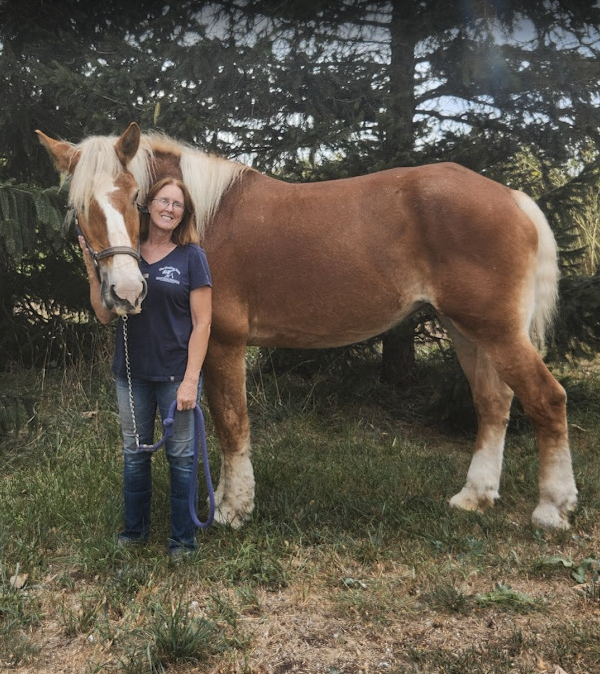
From Chaos to Clarity
For Kelly, the struggle with mental health began early, with depression in high school and undiagnosed bipolar tendencies for years. Life often felt like a rollercoaster, with impulsive decisions, financial troubles, unstable relationships, and a cycle of highs and lows that made stability seem impossible.
"I wasn't properly medicated for bipolar, so there was a lot of poor impulse control," Kelly shares. "I would quit jobs without notice, drink too much, shop excessively, and make terrible choices in relationships. My life felt like one disaster after another."
Diagnosis and proper treatment didn't come easy. After multiple counselors, seven suicide attempts, and two weeks in a psychiatric ward, what she jokingly calls the best vacation ever, Kelly was finally paired with an outpatient counselor who specialized in supporting survivors of sexual abuse.
The Turning Point
Years later, her counselor observed:
"I wish I'd known you when you were younger. I would've diagnosed you as bipolar."
This led to a formal diagnosis of Bipolar II and a carefully managed medication plan, four medications tailored to her needs. While they don't erase the symptoms entirely, they gave Kelly the stability she needed to regain control over her life.
"Getting on the right meds and being approved for disability was life-changing," she explains. "I finally had options: housing, food assistance, and healthcare independence without relying on a partner for survival."
Healing Through Animals and Purpose
Alongside therapy and medication, Kelly discovered a lifelong source of comfort: rescuing animals. For decades, she cared for and adopted pets in need, eventually turning her experiences into writing. Her love for animals and storytelling led to five books about her rescues, with a sixth nearly complete.
Volunteering at a horse rescue added another layer of healing, cleaning stalls, grooming horses, organizing events, and advocating for animal welfare. "Nothing happened overnight," Kelly notes. "But once you find your passion and stick with it, combined with counseling and meds, healing happens in ways you never imagined."
Tools for Stability and Self-Care
Kelly emphasizes practical tools for managing bipolar symptoms:
Consistent counseling and medication adherence
Creating a support system and a safe, stable environment
Volunteering and helping others, which grounds her
Physical activity like walks and bike rides
Writing and channeling energy into creative outlets
"Forget about the stigma," she says. "Having a mental illness doesn't define you. What matters is finding coping strategies that work for you and sticking with them."
She cautions that medication works only if taken consistently, and encourages collaboration with healthcare providers to find the right treatment mix.
A Message of Empowerment
Kelly's journey reflects resilience, self-discovery, and the power of purpose. Her advice for anyone struggling:
"Take your meds. See a counselor regularly. Build a support system. Find something you love for me, it's animals and writing. Mental health is your responsibility. Sanity is worth it. You get to reclaim your life, one step at a time."
Today, Kelly continues to live with honesty and hope, proof that healing isn't about perfection, but persistence. Her story is a reminder that even in the darkest moments, light can return. With time, faith, and the right tools, it's possible to rebuild a life of meaning, compassion, and peace.
No matter where you are on your journey, remember: you've survived every hard day so far, and that's your proof that you can keep going.