
When Shadows Became Reality
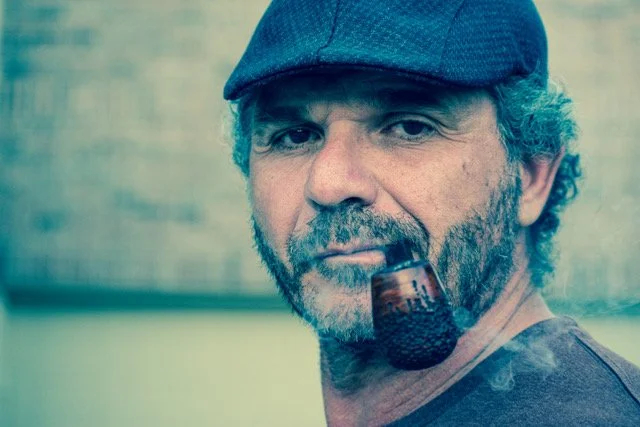
For Dr. John A. King, a Warumungu man from Australia, the struggle with mental health wasn't just a chapter in his life. It was survival itself. He endured over a decade of sexual abuse as a child, but for years, he didn't have the language to name what it had done to him.
"For years I called it 'being intense,' 'being depressed,' 'being a general fuckup,'" John shares. "But in reality, I was battling chronic Complex PTSD. I didn't realize something was deeply wrong until I had spontaneous recall of abuse from the ages of 4 to 16."
Sleep was war. Relationships were war. Life was war. He struggled with rage, hypervigilance, paranoia, and emotional shutdowns. He would go into public spaces and scan for exits. He couldn't be touched without flinching. He was haunted by shame and felt like a "crazy man" trying to look normal in a civilized world.
"I loved people fiercely but couldn't be around them," he explains. "I wanted peace, but didn't know how to stop fighting."
The Long Road to Finding Help
John went through a dozen attempts to join support groups, but 20 years ago, men didn't get sexually abused, especially by women. Well, that's what they told him. Finding a therapist who could handle the depth of his trauma proved nearly impossible.
"I finally found one therapist. Her words in our initial appointment were that mine was the worst story she had heard in 40 years of treating people," John recalls with a wry smile. "I should have gotten a plaque or something."
What finally worked was a combination of trauma informed therapy, structured accountability, and developing his own rituals and rhythms for recovery. He stopped trying to "fix" himself and started building a new operating system, one that honored the fact that he wasn't broken. He was wounded. And wounds can heal.
Redefining Self-Care and Healing
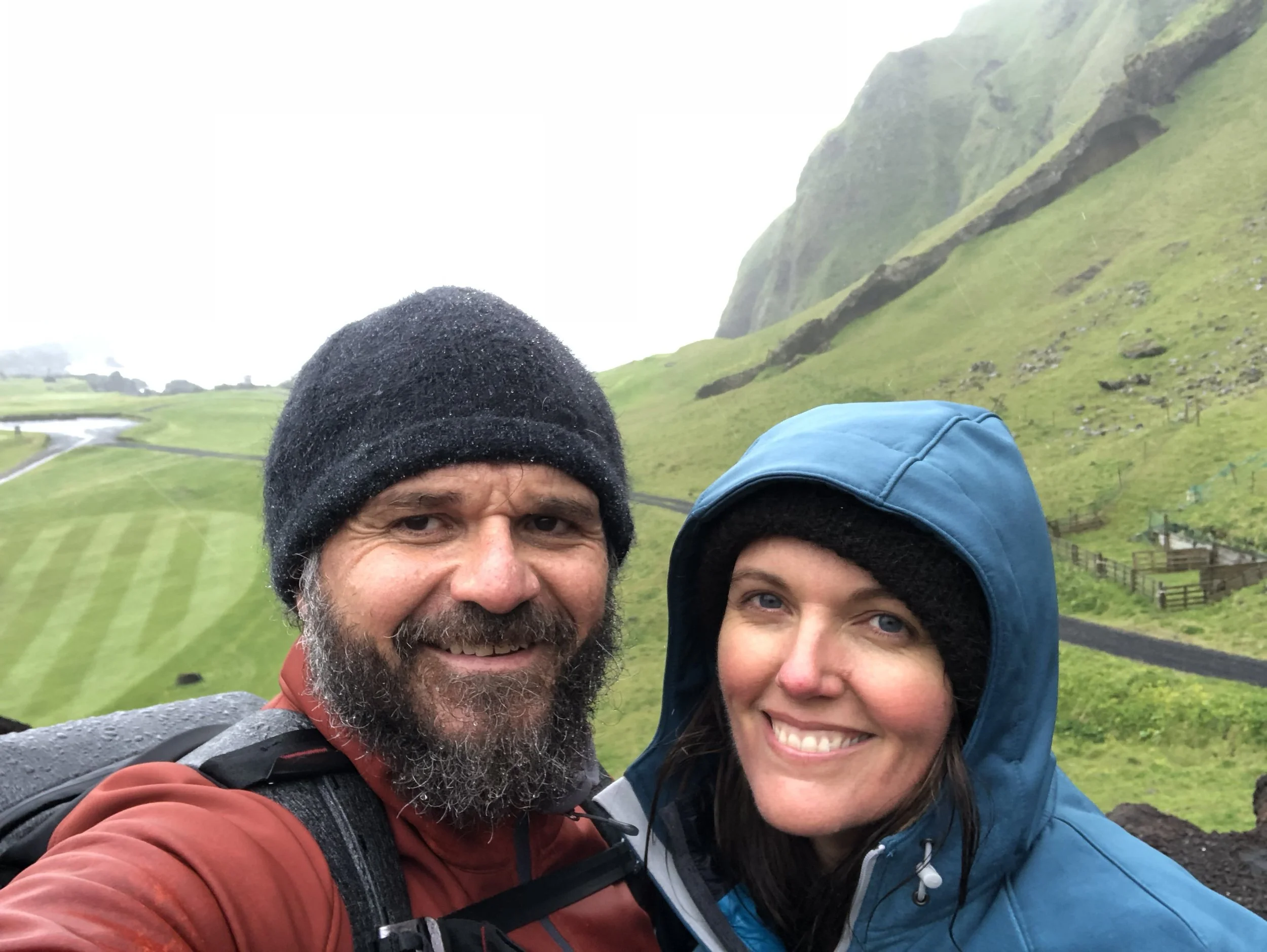
Self-care and his partner Melissa saved John's life, but it had to go beyond bubble baths and gratitude journals. For him, self-care meant setting alarms so he wouldn't spiral in the dark. It meant building a tribe of people who weren't afraid of his shadows.
A key turning point was when he realized he didn't have to "return to normal." That version of him never existed. He had to redefine what healing looked like on his terms and expect himself to rise, even slowly.
"I built a daily ritual that includes breathwork, bodywork, journaling, and structured solitude," John shares. "I lift weights. I speak affirmations out loud. I use music, specific frequencies, to downregulate my nervous system."
He created a six-week system called The Wisdom OS to help others do the same. Most importantly, he stopped pretending to be okay. He learned to be honest with his pain, without being ruled by it.
Turning Pain into Purpose
John's journey went from surviving to speaking, and eventually, to helping others fight their own ghosts. He founded Give Them A Voice and The Phoenix Collective to support survivors of trafficking, abuse, and trauma. They built an app, wrote books, created courses, because not everyone gets access to elite therapy, but everyone deserves tools to heal.
Through Give Them A Voice, his organization worked on the tail end of the Epstein case and was involved in helping put Peter Nygard away. His life is far from easy, but it is his now. And he expects to rise.
A Message of Empowerment
John's advice for anyone struggling is powerful and direct:
"Stop asking, 'What's wrong with me?' and start asking, 'What happened to me?' You're not crazy. You're not weak. You're not alone. Healing is not linear. It's not pretty. But it's possible. You don't need to be perfect. You just need to keep showing up."
His message to others facing mental health challenges:
"You got this! I know what it's like to feel like a ghost in your own life. But I'm here to tell you, your story isn't over. You are not the worst thing that ever happened to you. You are not your trauma. You are not your diagnosis. You're a warrior in recovery. And even if you're limping, bleeding, or crawling, you're still moving forward. I expect you to rise."
Today, John continues to build community through The Phoenix Collective at www.phoenixcollective.app, proof that healing isn't about erasing the past, but about building a future worth fighting for. His story is a reminder that even in the darkest moments, warriors rise. With time, support, and the right tools, it's possible to rebuild a life of meaning, advocacy, and hope.
No matter where you are on your journey, remember: you've survived every hard day so far, and that's your proof that you can keep going.